At Trade Finders, one of the most common questions we receive from clients new to global logistics is:
“What exactly does a freight forwarder do, and how does the process work?”
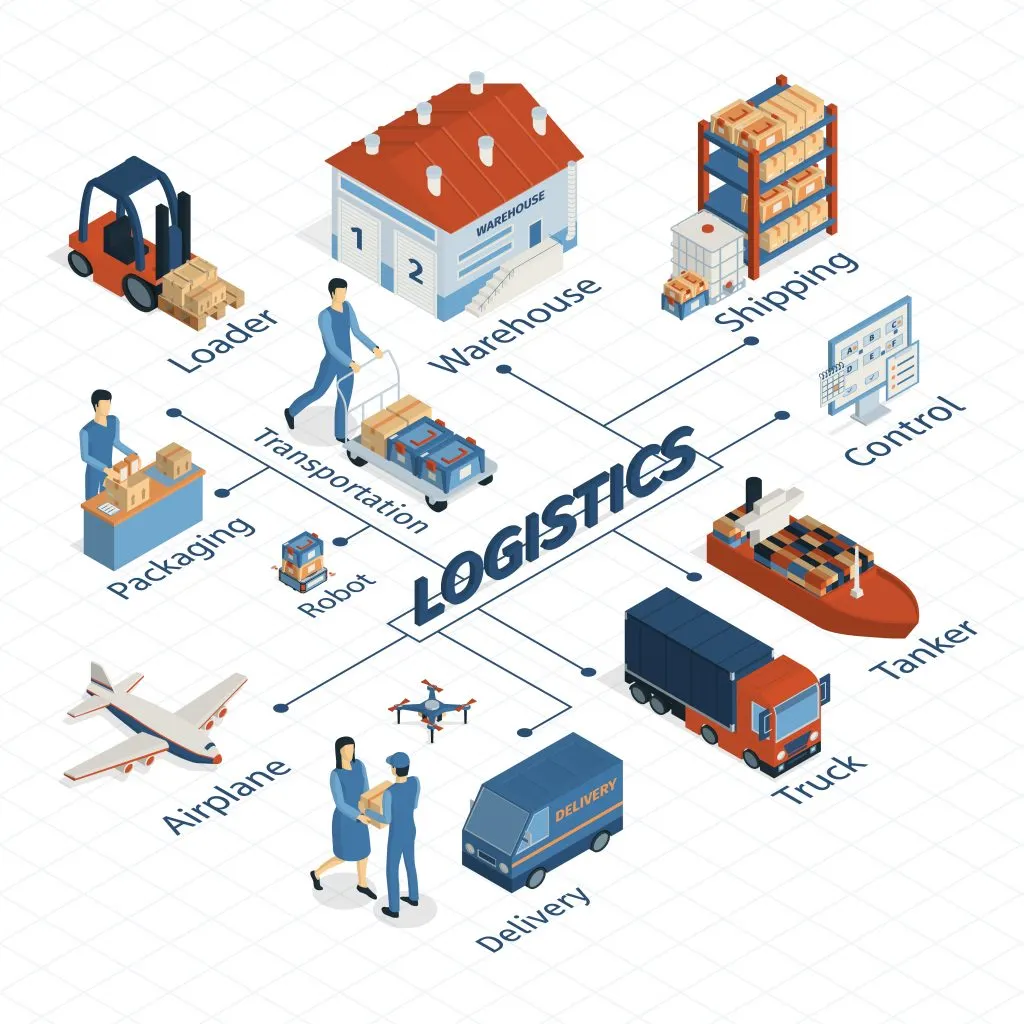
Freight forwarding is the backbone of international trade. It ensures that goods move smoothly from the shipper to the consignee, across borders, ports, and multiple modes of transportation. Freight forwarders act as the coordinators, handling the paperwork, transport arrangements, customs procedures, and communication between all parties involved.

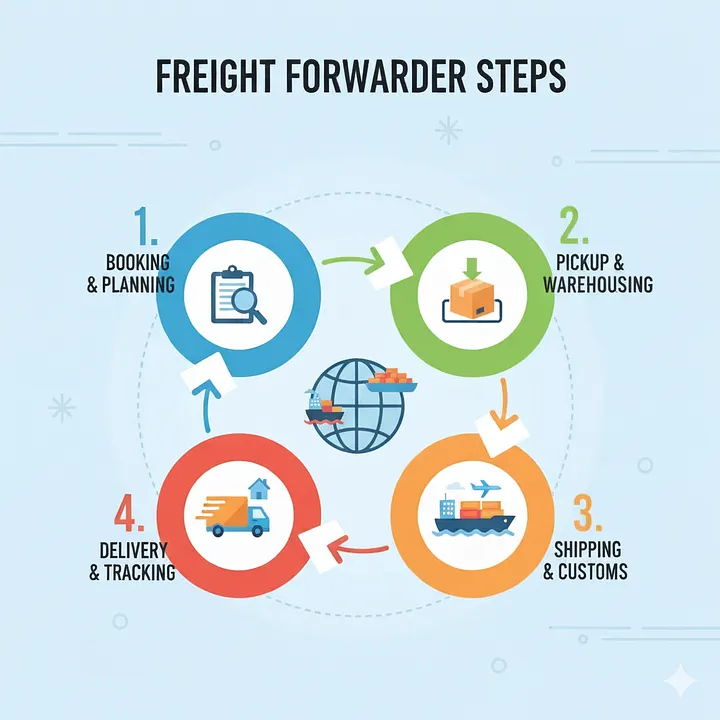
To help clarify the process, let’s break down the key stages of freight forwarding and why they matter.
- Origin Handling
The journey begins at the shipper’s warehouse or factory. The freight forwarder arranges for cargo pickup and inland transport to the origin port.
Key activities include:
— Collecting goods from the shipper
— Preparing shipment proposals and quotations
— Generating essential export documentation such as the Bill of Lading, export declaration, and commercial invoices
— Transporting cargo to the port for loading
This stage ensures the shipment is properly documented and ready for export clearance.
2. Export Customs Clearance
Before goods can leave the country of origin, customs authorities must verify them.
Freight forwarders handle:
— Filing export declarations
— Submitting commercial documents to customs
— Coordinating with shipping lines and authorities for clearance
Without proper customs clearance, shipments risk costly delays. A freight forwarder ensures compliance to avoid disruption.
3. Air Freight or Sea Freight
Once cleared, the cargo is loaded at the origin port onto either an aircraft or a vessel, depending on the shipping mode chosen.
In this stage, freight forwarders manage:
— Arranging with carriers (airlines or shipping companies)
— Securing space on vessels or flights
— Coordinating loading operations at the port or terminal
This stage represents the international transport leg of the journey, carrying cargo across seas or skies to the destination port.
4. Import Customs Clearance
Upon arrival at the destination port, cargo must be cleared by customs authorities in the importing country.
Freight forwarders ensure:
— Customs documentation is filed correctly
— Duties and taxes are assessed and paid
— Goods comply with local regulations and restrictions
Clearance efficiency directly impacts how quickly goods can reach the consignee.
5. Destination Handling
After import clearance, the freight forwarder arranges for unloading, handling, and inland transport from the destination port to the consignee’s location.
This includes:
— Coordinating with the freight forwarder’s overseas branch or local partner
— Organizing trucks, rail, or other transport to deliver cargo
— Handing over goods to the consignee once all requirements are met
At this stage, the consignee officially receives the shipment, completing the freight forwarding cycle.
Why Freight Forwarding Matters?
Freight forwarding is far more than moving goods. It’s about managing risk, compliance, and efficiency in global trade. Each stage of the process — from documentation to customs clearance — requires precision and expertise.
Without experienced freight forwarders, businesses face delays, penalties, and logistical bottlenecks that can severely impact supply chains.
The Trade Finders Perspective
At Trade Finders, we simplify the freight forwarding process for our clients. By leveraging our partnerships, expertise, and platforms like JCtrans, we ensure that every stage of shipping — from cargo pickup to final delivery — runs smoothly.
Our role is to act as your logistics partner, ensuring compliance, reducing costs, and keeping shipments on schedule.

Conclusion
Freight forwarding may seem complex, but with the right partner, it becomes a seamless process. By coordinating everything from documentation and customs to transportation and delivery, freight forwarders play a vital role in connecting businesses across borders.
At Trade Finders, we are committed to guiding companies through this process with efficiency, security, and reliability.
For more insights and logistics solutions, visit www.tradefinders.com.